18/08/26
Ana Mendieta
Tate Modern, London
15 July 2026 – 17 January 2027
What a coup, as Tate’s interim director, Catherine Wood, said in her introduction to the press view, for Tate to be hosting three blockbuster exhibitions by three exceptional female artists alongside one another: Tracey Emin, Frida Kahlo, and now Ana Mendieta. Obviously, this has been happening with male artists, without comment, for years, but hopefully the tide is now turning for women, too.
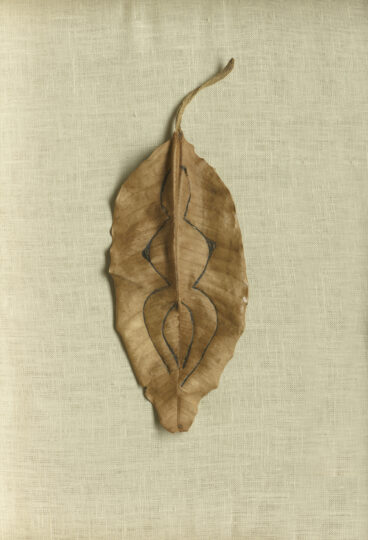
Ana Mendieta
Untitled (Leaf drawing), c. 1984
ink drawing on leaf
9 1/2 x 4 inches (24.1 x 10.2 cm)
GL3561
Mendieta (1948-85) was born in Havana, Cuba, and brought up in a Catholic family – to the extent that she could recite all the various ceremonies and play act at being priest in the family chapel. Aged just 12, she and her older sister, Raquelín, were shipped off to the United States as part of Operation Peter Pan, a programme facilitated by the Catholic Diocese of Miami that granted visa waivers to unaccompanied Cuban minors seeking political asylum in the US, as their father was worried for their safety given his support for Fidel Castro. Three weeks after their arrival in Miami, the sisters were placed in a group home in Iowa, until foster care was arranged. Ana then resided in three foster homes and one boarding school until her living situation stabilised. She thus spent her formative years feeling different and very isolated. Five years later, their mother and brother followed and settled nearby. Ana’s father, by this point, had been sentenced to 20 years’ imprisonment.
Read the full review here